 Français (France)
  Finnish (FI)
  English (United Kingdom)




Project Success Vector helps the project manager make better decisions, prioritize resources, and ensure the realization of benefits (figure 1).
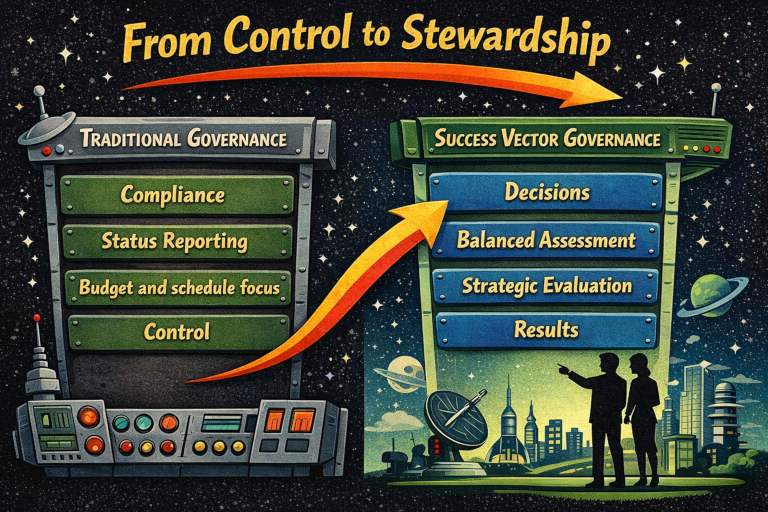
Figure 1. Governing through success vector.
Success vector as a support to decision-making
Using the success vector, all key dimensions of success - stakeholder satisfaction, achievement of benefits, and planning accuracy - can be conveniently taken into account in decision-making (figure 2).
At the same time, decision-making is combined with the evaluation and measurement of the project success.
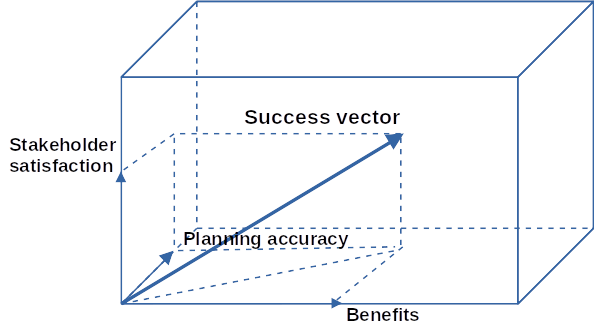
Figure 2. Project Success Vector.
Risk management and corrective action
Project Success Vector and its components support risk identification, assessment, and planning of corrective action (figure 2).
You can further improve planning accuracy through risk assessment and simulation, using MonteCarlo analysis with MonteCarloProject tool (figure 3).
Figure 3. MonteCarloProject.
How to combine Project Success Vector with project planning and reporting?
By combining project planning with the overall picture provided by the success vector, you can easily build a plan that contributes to project success and identify gaps in the collected information.
At the same time project reporting becomes more illustrative. Project Success Vector has both a lenght and a direction, so its rotation in the 'success cube' shows how the components of success have changed since the previous review.
You can find the necessary tools and templates in the Project Manager's Guide (figure 4).
Figure 4. Project Manager's Guide.
Evaluate your project using Project Success Vector
Get going by using the following articles and guides:
- Success vector – towards successful projects
- Governing through success vector
- How to measure project success?
- Stakeholder satisfaction - key to project success
- Project Success Vector Guide
👉 Register: AI and tools supporting project success