 Français (France)
  Finnish (FI)
  English (United Kingdom)




Webinar: 2 x 1/2 days
Use AI and analytics to improve project success
Project management is increasingly driven by data, analytics, and predictive insights. Traditional monitoring of schedules and budgets alone is no longer sufficient when project uncertainty increases and decision-making becomes more complex.
In this training you will learn how artificial intelligence and analytical tools can support project planning, risk management, and decision-making.
The training is built around the concept of the Project Success Vector, which views project success from three perspectives:
- stakeholder satisfaction
- benefit realization
- planning accuracy (delivery performance)
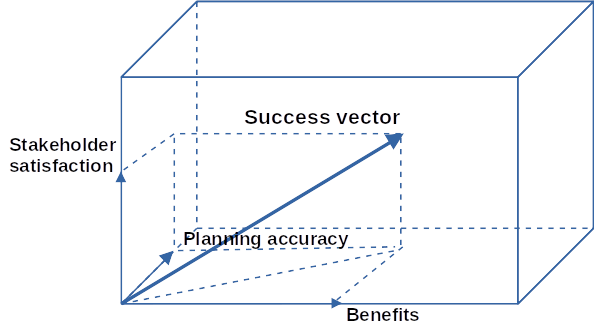
Through practical examples and exercises, the course demonstrates how AI and analytical tools can help identify risks, evaluate uncertainty, and support better project decisions.
What you will learn?
After the training participants will be able to:
✔ use AI to support project planning and analysis
✔ identify key risks and uncertainties in projects
✔ apply Monte Carlo simulation to analyze schedule and cost risks
✔ use project data to support decision-making
✔ evaluate project outcomes through Project Success Vector
Participants will also gain practical ideas on how these tools can be applied in their own projects.
Why this training is relevant?
Projects are becoming increasingly complex. At the same time, project managers are expected to improve their ability to
- anticipate risks
- analyze uncertainty
- make well-informed decisions
Artificial intelligence and analytics provide powerful new capabilities for addressing these challenges. Organizations that learn to use these tools effectively can significantly improve their project outcomes.
This training offers a practical introduction to the future of project management.
Main topics covered
The training addresses topics such as:
- Project Success Vector
- AI as a tool for project managers
- quantitative project risk analysis
- Monte Carlo simulation in project planning
- using project data to support decision-making
- combining analytical tools in project governance and control
The course includes examples using MonteCarloProject simulation software.
Practical exercises
Participants will explore how analytical tools and AI can be applied in practice through hands-on exercises, including:
- using AI to support project planning and risk identification
- analyzing schedule risks using Monte Carlo simulation
- evaluating project decision scenarios using analytical tools
Who should attend?
The training is particularly suitable for
- project managers
- PMO professionals
- project steering group members
- analysts and specialists involved in project planning and governance
Novel PM insights
|
Training combines three themes that are rarely addressed together:
|
Agenda (2 x 1/2 days)
Module 1
1. The Project Success Vector and decision-making in projects
- different dimensions of project success
- Project Success Vector
- limitations of traditional project monitoring
2. Artificial intelligence as a tool for project managers
- generative AI in project work
- using AI in project planning, risk identification, and stakeholder analysis
- opportunities and limitations of AI in project management
3. Quantitative analysis of project risks
- uncertainty in project planning
- three-point estimates and probability distributions
- principles of Monte Carlo simulation
Module 2
4. Monte Carlo simulation in project planning
- schedule and cost uncertainty
- interpreting simulation results
- examples using MonteCarloProject
5. Project analytics and decision support
- analyzing project performance data
- identifying deviations and emerging risks
- using analytical insights in project decision-making
6. Tools supporting the Project Success Vector
- combining AI and risk simulation
- linking analytical insights to stakeholder, benefit, and delivery outcomes
- practical applications in project governance
7. Summary and practical application
- implementing analytics and AI in project management practices
- selecting appropriate tools
- next steps toward data-driven project management